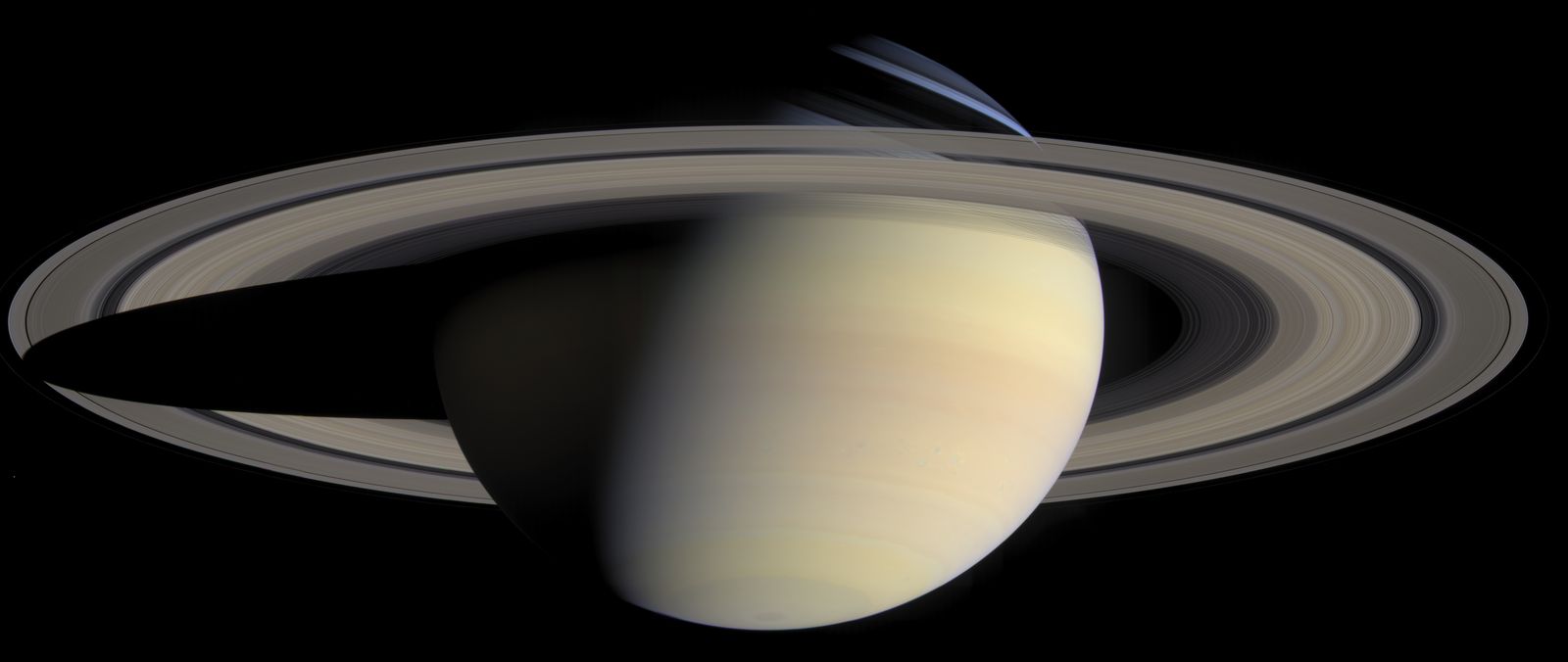
The two-way relationship between Earth and space.
Project Rawane is named for Rawane — because the best projects start with someone you love. It follows Astroscale's ADRAS-J mission, which photographed an 11-meter, 3-ton Japanese H-IIA rocket upper stage in 2024 — an object never designed to be captured. ADRAS-J2, Phase II of JAXA's CRD2 program worth about 13.2 billion yen, will use a robotic arm to capture that same non-cooperative debris and lower its orbit so it burns up in the atmosphere. Launch is targeted for fiscal 2027 on Isar Aerospace's Spectrum rocket from Norway. It is the mission that turns an inspection demo into the world's first removal of legacy debris — proof that the relationship between Earth and space runs both ways.
Saving Planets, highlighting Project Rawane as a space-and-planet initiative.
Project Rawane is the two-way relationship between Earth and space — space work like debris removal, space-based solar power, and Earth observation that protects life on the ground, and planetary work like cleanup and conservation that keeps orbits usable.
Ongoing, with the flagship mission ADRAS-J2 targeted for fiscal 2027.
Low Earth orbit, Norway's launch site, and everywhere the debris and its effects reach.
Space and Earth are one system. Debris threatens the satellites we rely on, and what we do on the ground shapes what happens above us. Protecting one protects the other.
Project R is organized by category. Each card below is a category; click it to drill into that category's hub, where individual missions and solutions are covered in depth.